
Oregon is looking for volunteers who have experience and interest in supporting livestock. Opportunities may include (but not limited to) livestock sheltering, feeding, donations logistics, and transportation. Your information will be given to local emergency managers, government agencies, or volunteer agencies who have active operations and are in need of volunteers. There is a chance that volunteer opportunities may not occur in your area. You will be contacted via email or phone number provided if you match an active volunteer opportunity. If you have questions, please press the "Respond" button above and write them in the section "Additional Volunteer Information".
Volunteer for Wildfires 2026
How You Can Support Communities Affected by Wildfires
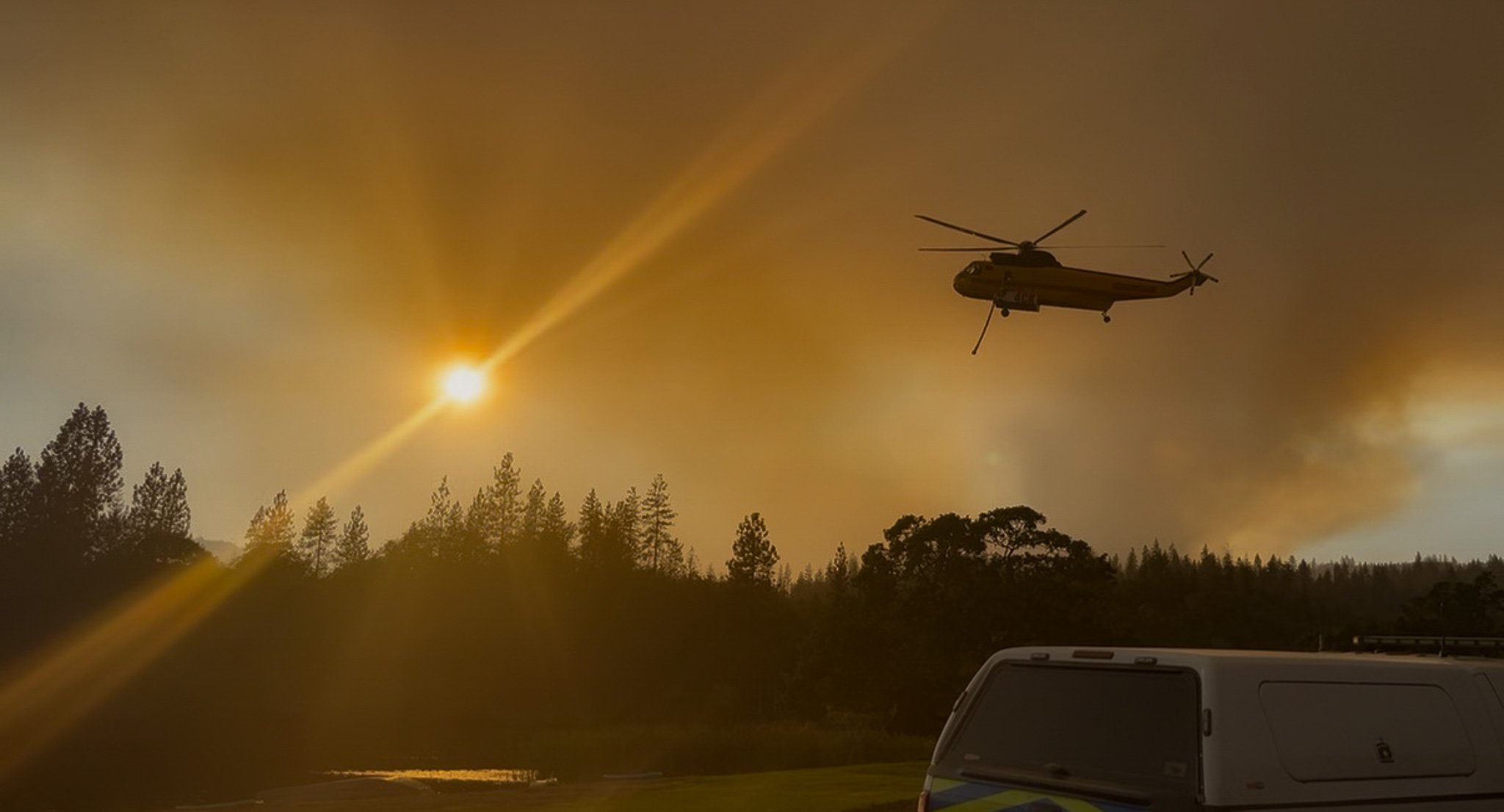
Salem, Ore. — As wildfires continue to impact communities across Oregon, state officials are urging the public to support response and recovery efforts in safe and effective ways. Financial contributions, volunteering through recognized organizations, and staying informed are among the most helpful actions community members can take.
Financial gifts remain the most effective way to assist people affected by wildfires. Monetary donations allow disaster response organizations to purchase exactly what is needed, when and where it is needed. People seeking trusted organizations currently involved in wildfire response can dial 211 or visit 211info.org.
Nonprofit Organizations Collecting Monetary Donations to Support Oregon Disaster Response
· Oregon Volunteer Organizations Active in Disaster
· Wildland Firefighter Foundation
· United Way Pacific Northwest Disaster Recovery Fund
· American Red Cross Cascades Region: Serving Oregon and SW Washington
· The Confederated Tribes of the Warm Springs Reservation of Oregon (CTWS) Wildfire Recovery Fund
· The Salvation Army Cascade Division
· United Way of Central Oregon Disaster Recovery Fund
· United Way of the Columbia-Willamette Oregon Fire Recovery Fund
· Wright’s Spring Fire Relief and Recovery Fund
Members of the public are encouraged not to self-deploy to wildfire response or evacuation sites. Unaffiliated volunteers can unintentionally disrupt emergency operations. Instead, those wishing to help should volunteer through recognized disaster relief organizations to ensure their time and skills are used effectively and safely.
Many volunteer opportunities occur after initial firefighting efforts during long-term community recovery. Individuals can sign up to support wildfire-related volunteer efforts through ORVID. Those with medical training may join SERV-OR and the Medical Reserve Corps network.
We are also asking people to donate goods only when specific needs are announced. Unrequested items can create storage challenges, generate waste, and slow down response operations.
Residents should monitor official wildfire websites, local emergency management pages, and public service announcements for updates on what items are needed and where they can be delivered. Those looking to donate material goods can dial 211 or visit 211info.org for information on organizations accepting donations.
Other forms of support are also welcome. Fundraisers, community events, or yard sales can help generate financial contributions to recognized disaster relief organizations. Blood donations to the American Red Cross are another meaningful way to support communities in crisis.
Everyone is encouraged to support one another during this stressful time.
Checking in with neighbors and coworkers can provide emotional relief. Creating space for people to express their feelings—especially children and teens who may struggle to do so—can be a powerful form of community care. Signs of distress may include fear, anger, sadness, worry, difficulty concentrating, disrupted sleep or appetite, or increased use of alcohol or other substances. Encouraging rest and connection with familiar activities may help with recovery.
While staying informed is important, officials remind residents that too much news consumption can increase stress. Taking breaks or sharing the responsibility of monitoring updates can help maintain balance.
Resources are available for those experiencing emotional distress. Individuals can call the Disaster Distress Helpline at 1-800-985-5990 or text “TalkWithUs” to 66746. Support is also available 24/7 by calling or texting 988.
Stay Informed and Be Prepared
· Sign up for emergency alerts at ORAlert.gov and ensure Wireless Emergency Alerts are enabled on your mobile device.
· Understand evacuation levels: 1 Ready. 2 Set. 3 GO!
· Pack your go bag now, before you get an evacuation alert.
· You can evacuate when you want. If you need more time, evacuate early.
· Monitor weather and fire updates through trusted sources such as local emergency managers, county sheriffs’ offices, the Oregon State Fire Marshal, and federal land management agencies. Visit Wildfire.oregon.gov for more tips.
· Check road conditions at TripCheck.com or by calling 511.
· View real-time hazard updates, maps, and fire information through OEM’s Wildfire Dashboard.
· Follow your county’s office of emergency management and OEM on social media. Let them know early if you need additional evacuation assistance.